
Published Date-7th November 2025
In the modern business landscape, IT systems are the backbone of nearly every operation. From cloud infrastructure to end-user devices, every aspect of a business relies on technology. Any downtime, no matter how brief, can result in lost productivity, missed opportunities, and decreased customer satisfaction. This is why a 24/7 managed helpdesk service has become more than just a convenience, it is a strategic necessity for businesses of all sizes.
Support doesn’t follow business hours, nor should your helpdesk
A 24x7 managed helpdesk service provides round-the-clock IT support for employees, clients, and stakeholders. Unlike traditional internal IT support teams that operate during office hours, managed helpdesks are available anytime, ensuring that technical issues are addressed promptly. These services often cover a wide range of support, including troubleshooting hardware and software problems, network connectivity issues, application support, and guidance for end-users. By outsourcing this function to a specialized provider, businesses can guarantee consistent, high-quality support without overburdening internal teams.
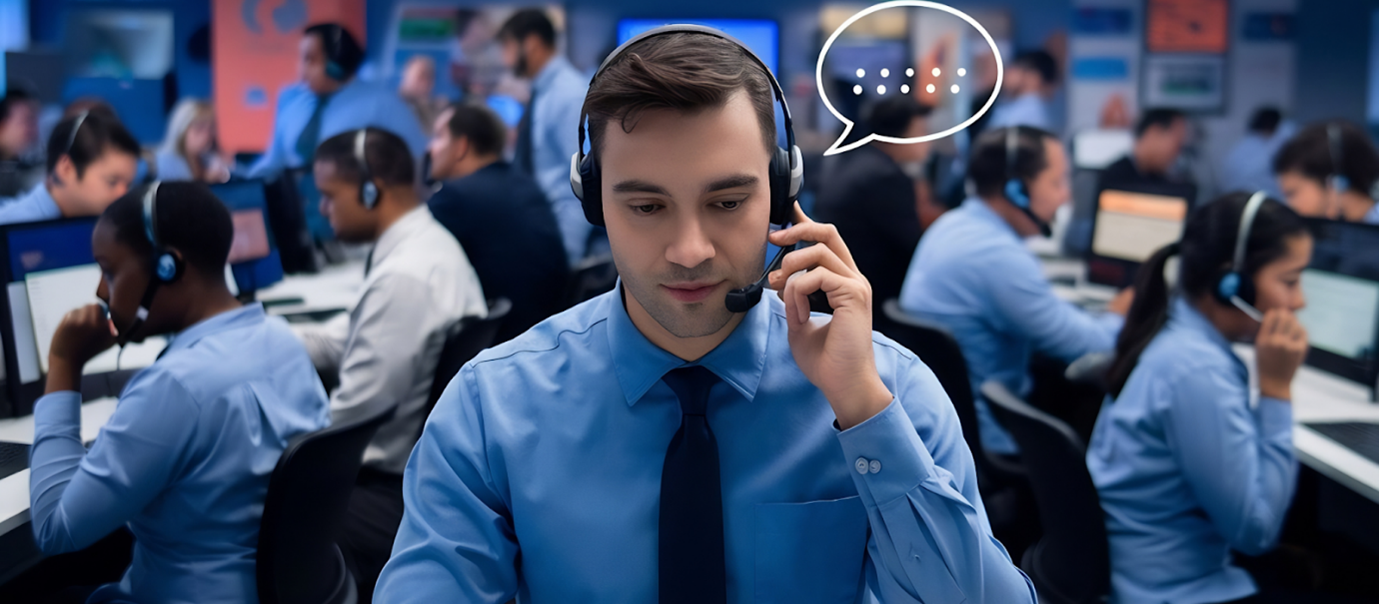
Consistent assistance builds confidence across teams and customers
Technology doesn’t adhere to a 9-to-5 schedule. Employees may work late hours, remote teams may span multiple time zones, and customers may require assistance outside standard business hours. In these scenarios, having a helpdesk available 24x7 ensures that technical problems are resolved promptly, minimizing disruptions. For instance, if a critical server goes down at midnight, immediate intervention can prevent hours of downtime that would otherwise impact productivity and revenue. Continuous support also reduces stress on internal IT teams, allowing them to focus on strategic initiatives rather than firefighting urgent issues.
1. Enhanced Productivity and Employee Satisfaction:
When employees encounter IT issues, delays in support can lead to frustration and decreased productivity. A managed helpdesk ensures that issues are resolved quickly, allowing staff to return to their tasks without prolonged interruptions. Moreover, knowing that support is available at any time increases employee confidence in their tools and systems. For businesses with hybrid or remote workforces, this becomes even more crucial, as employees often rely on personal networks and devices, which may not always integrate seamlessly with company systems.
2. Cost-Effective IT Operations:
Hiring and maintaining a full-time, in-house IT support team capable of offering 24x7 coverage can be prohibitively expensive. Businesses must consider salaries, benefits, training, and overhead costs associated with round-the-clock staffing. Managed helpdesk services provide a cost-effective alternative. By leveraging a subscription or service-level agreement (SLA)-based model, organizations can access expert support at predictable costs. Additionally, managed providers often employ economies of scale and advanced technologies to deliver efficient support that might be challenging for internal teams to match.
3. Access to Skilled and Specialized IT Experts
Technology is evolving rapidly, with new software, platforms, and security threats emerging constantly. Maintaining an internal team with expertise across all areas, cloud management, cybersecurity, enterprise software, networking, and more, is often unrealistic for many organizations. Managed helpdesk providers employ specialized experts who are trained across diverse technologies and platforms. This ensures that your business benefits from deep technical knowledge without the need for constant recruitment, training, and skill upgrades.
4. Proactive Problem Resolution
One of the key advantages of a managed helpdesk is proactive support. Modern helpdesk solutions often include monitoring tools and AI-driven analytics that detect issues before they escalate. For example, unusual network activity, low server capacity, or recurring application errors can be identified early, allowing technicians to resolve problems before they impact users. This proactive approach reduces downtime, mitigates risks, and improves overall IT reliability.

Strong support systems keep organizations focused on growth.
5. Scalability and Flexibility
Business needs are not static, they grow, fluctuate, and change over time. A managed helpdesk service offers scalability that internal teams may struggle to match. Whether your company is expanding into new markets, onboarding remote employees, or deploying new applications, the helpdesk can scale its resources to meet demand. This flexibility ensures that support levels remain consistent even during periods of rapid growth or change.
6.Improved Security and Compliance
IT support is not just about fixing broken systems; it also plays a crucial role in maintaining security and compliance. Managed helpdesk providers adhere to industry best practices and compliance standards, such as ISO 27001, GDPR, or SOC 2. They can enforce security protocols, monitor for suspicious activity, and ensure that software updates and patches are applied promptly. For industries with stringent regulatory requirements, such as healthcare, finance, or government, 24x7 managed helpdesk services provide an additional layer of assurance.
7.Focus on Core Business Functions
By outsourcing IT support to a 24x7 managed helpdesk, internal teams are freed from day-to-day troubleshooting. This allows businesses to focus on strategic initiatives such as digital transformation, product innovation, and customer engagement. Instead of dedicating valuable resources to solving repetitive IT issues, organizations can allocate time and talent toward growth-driving activities, giving them a competitive edge in the market.
8.Focus on Core Business Functions
A business’s ability to serve its customers is directly impacted by IT efficiency. Slow systems, network downtime, or unresponsive support can frustrate customers and harm the brand. Managed helpdesk services ensure that IT-related interruptions are minimized, which in turn keeps business operations running smoothly. For customer-facing applications, websites, or portals, immediate IT support ensures uninterrupted access, enhancing customer satisfaction and loyalty.
9.Integration with Modern IT Ecosystems
Today’s businesses operate in complex IT environments that may include cloud platforms, on-premises servers, SaaS applications, and endpoint devices. A 24/7 managed helpdesk is designed to integrate seamlessly with these diverse environments. Providers often use advanced ticketing systems, remote monitoring tools, and analytics platforms to manage and track issues across the organization efficiently. This holistic approach ensures faster resolution times and better visibility into IT operations.
10.Future-Proofing Your IT Support
The technology landscape is evolving at an unprecedented pace. Emerging trends such as AI-driven IT support, machine learning for predictive maintenance, and automated ticket resolution are transforming helpdesk services. By partnering with a managed provider, businesses gain access to the latest tools and innovations without having to invest heavily in technology and training. This ensures that your IT support remains future-ready and capable of handling the complexities of a modern business environment.

Reliable helpdesk services ensure stability and confidence
In today’s digital-first world, IT support is no longer optional or limited to business hours. A 24x7 managed helpdesk service provides continuous, expert assistance that ensures business continuity, enhances productivity, and reduces operational risk. From proactive problem resolution to cost-effective access to skilled professionals, the benefits extend across employees, IT teams, and customers. For businesses seeking to maintain a competitive edge in 2025 and beyond, adopting a 24/7 managed helpdesk service is not just a strategic choice, it is a necessity.
By integrating 24x7 support into your IT strategy, organizations can free internal teams to focus on innovation, reduce downtime, improve employee satisfaction, and ensure a secure, compliant, and resilient IT environment. In a world where every minute of downtime can cost significantly, continuous helpdesk support has become a cornerstone of operational success and digital transformation.

A 24x7 managed helpdesk service provides round-the-clock IT support, resolving technical issues, monitoring systems, and assisting employees or clients at any time.
Technology operates beyond business hours. Continuous support prevents downtime, boosts productivity, and ensures seamless operations across global teams.
Outsourcing provides cost-effective access to skilled experts, proactive problem resolution, scalability, security compliance, and allows internal teams to focus on core business activities.
Rapid issue resolution and constant availability ensure employees spend less time troubleshooting IT problems and more time on their primary work tasks.
Yes. By minimizing system downtime and ensuring smooth operation of customer-facing applications, businesses can maintain high levels of customer satisfaction and loyalty.


