
Published Date-24th October 2025
The digital ecosystem of 2025 is defined by speed, scalability, and intelligence. Organizations are dealing with massive data growth, real-time workloads, complex hybrid environments, and increasing demands for resilience. Traditional data centers, built for simpler, predictable operations, are no longer sufficient. As businesses shift toward cloud-first strategies, AI-driven processing, and distributed architectures, data center modernization has become an unavoidable priority. Modernization is not just about upgrading hardware; it is about transforming the entire infrastructure to be agile, automated, secure, and future-ready.
Modern data centers aren’t built for today, they’re designed for what’s next
Data center modernization refers to the process of updating legacy infrastructure, technologies, and operational models to support contemporary business needs. This includes hybrid cloud adoption, software-defined architecture, virtualization, automation, and enhanced security frameworks. The goal is to create environments that are scalable, flexible, and capable of supporting high-performance workloads. By modernizing the data center, organizations reduce technical debt, improve operational efficiency, and ensure their digital foundation is aligned with long-term growth plans.
The infrastructure landscape in 2025 has shifted dramatically. Businesses now rely on distributed architectures where data resides across on-premise environments, public clouds, edge locations, and multi-cloud ecosystems. This distribution offers flexibility but also introduces complexity. Meanwhile, AI and ML workloads require high compute power and optimized storage architectures. The rapid growth of remote and global workforces has intensified the need for low-latency, secure access, and consistent performance across geographies. These evolving demands make modernization not just beneficial but essential.
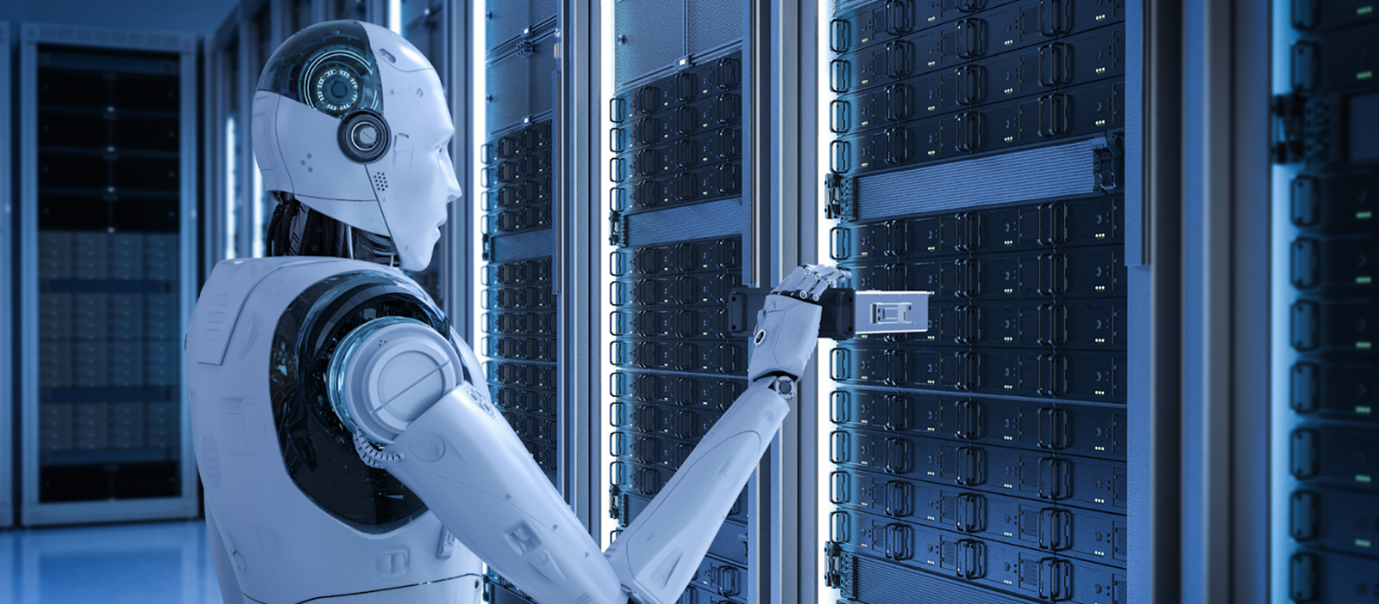
Automation and resilience are now core, not optional
AI and automation are shaping the future of data center operations. Predictive analytics are being used to forecast capacity demands, identify performance gaps, and anticipate hardware failure before it disrupts operations. Software-defined infrastructure, covering computing, storage, and networking, allows teams to manage resources through centralized policy-based controls instead of manual configurations. This significantly reduces downtime, accelerates deployment, and improves scalability. Automation also enhances energy efficiency by optimizing cooling and workload distribution, contributing to more sustainable operations.
Organizations in 2025 are increasingly adopting hybrid and multi-cloud strategies to balance performance, cost, and flexibility. Hybrid models combine the security of on-premise infrastructure with the agility of cloud environments, while multi-cloud setups reduce dependency on any one vendor. This shift requires modernized data centers capable of seamless integration with cloud platforms. By modernizing network architecture, introducing API-led connectivity, and embracing containerization, businesses can ensure smooth workload portability, faster deployments, and unified governance across environments.
With the expansion of digital boundaries comes increased risk. Modern data centers must be fortified with advanced security frameworks that include Zero-Trust principles, continuous monitoring, and identity-centric controls. Encryption, micro-segmentation, and AI-driven threat detection play critical roles in maintaining data integrity. Compliance mandates continue to evolve as well, requiring consistent visibility across infrastructure layers. Data center modernization ensures organizations can enforce policies, detect anomalies, and maintain compliance standards without compromising speed or flexibility.
A successful modernization strategy begins with a clear assessment of existing infrastructure and identifying areas with high operational cost, latency, or security gaps. Migrating to software-defined architecture ensures agility, while adopting virtualization reduces hardware dependency. Automation should be integrated across provisioning, monitoring, patching, and incident response to minimize manual overhead. Cloud integration, whether hybrid or multi-cloud, should align with business workloads, ensuring optimized storage, compute, and data management. Investing in scalable, energy-efficient equipment improves longevity, and continuous staff training ensures teams are equipped to manage modern environments.

Modernization means enabling performance, security, and growth together
Modernization does not come without challenges. Many organizations struggle with legacy systems that lack compatibility with modern platforms. Budget constraints, downtime concerns, and skill gaps can hinder progress. A clear roadmap, phased implementation, and leveraging partner expertise can help address these challenges effectively. Ensuring strong governance, clear policies, and performance monitoring helps avoid disruptions and supports smoother transitions.
The future of data centers is increasingly autonomous and distributed. Edge computing will become more prominent as businesses seek to bring computing power closer to the point of data generation. AI-driven orchestration will enable real-time resource allocation, while liquid cooling and sustainable technologies will reduce energy consumption. Over time, data centers will evolve into intelligent environments capable of self-optimizing, self-repairing, and continuously adapting to workload demands. The next-generation data center will not just support business strategy, it will shape it.
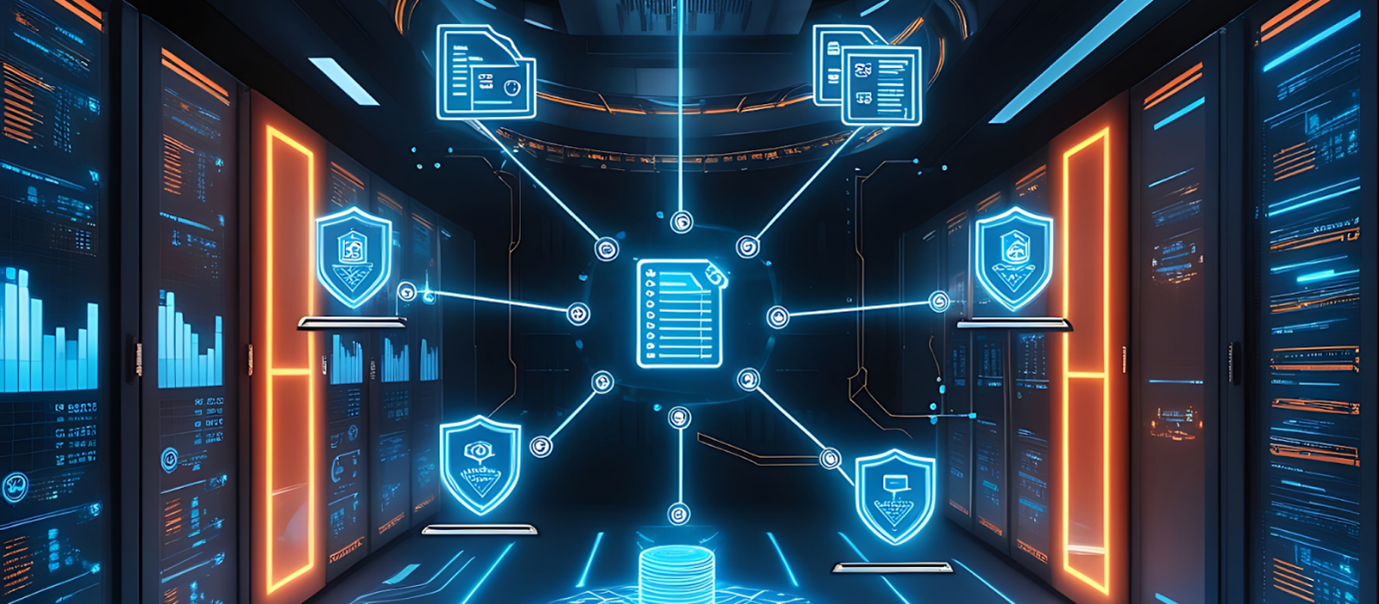
Hybrid architectures are redefining flexibility and control
Data center modernization is no longer a technical upgrade; it is a strategic imperative that influences business resilience, innovation, and competitiveness. As organizations embrace hybrid models, AI-driven operations, and global digital ecosystems, modernized infrastructure becomes the backbone of performance and security. By adopting agile architectures, strengthening security, and leveraging automation, businesses can build data centers that are not only reliable today but designed for the demands of the future.

Data center modernization is the process of upgrading legacy infrastructure with modern technologies like cloud integration, automation, software-defined systems, and advanced security to improve performance, scalability, and efficiency.
In 2025, businesses operate in a hybrid, AI-driven environment where legacy systems can’t keep up with performance, security, or compliance demands. Modernization ensures agility, reduced downtime, and better support for digital transformation.
Key trends include hybrid and multi-cloud adoption, software-defined infrastructure, AI-powered operations, edge computing, and stronger security frameworks built around Zero Trust and continuous monitoring.
AI enhances predictive maintenance, automates resource management, and improves real-time threat detection. It helps optimize workloads, reduce energy use, and eliminate manual operational bottlenecks.
Effective modernization starts with assessing existing infrastructure, adopting virtualization and software-defined systems, integrating automation, strengthening security, and aligning cloud strategies with workload requirements.


