
Published Date-10th October 2025
Workplaces are no longer defined by walls but by connectivity, collaboration, and culture. A seismic shift in how organizations operate, brought about by the rise of the digital workplace, has created seamless work experiences wherever people are and whatever device they use. This evolution, on the other hand, provides both a challenge and an opportunity for chief information officers. The CIO is not just the gatekeeper of IT; they are the architects who design digital ecosystems that empower innovation, agility, and employee engagement.
This blog examines what the digital workplace will be for CIOs and how they can drive this transformation strategically and sustainably.
Digital workplaces are changing not just how we work, but how we lead
A digital workplace is the virtual environment where employees use digital tools, technologies, and systems to communicate, collaborate, and conduct their work efficiently anywhere, anytime.
It integrates cloud platforms, collaboration software, communication tools, AI systems, and data analytics into a single ecosystem that truly mimics-and even outperforms efficiency of physical offices.In a nutshell, it's the next-generation workplace that brings people and technology together to develop a smarter, more connected, and empowered workforce.
1. Hybrid and Remote Work Revolution:
Work is no longer tied to geography. Employees expect seamless access to systems, whether at home, in the office, or on the move. Digital workplaces allow for the flexibility needed to attract, retain, and engage talent in an increasingly globally distributed workforce.
2. Cloud-First Enterprise Strategy:
Cloud-first or cloud-only approaches are increasingly adopted by organizations. This enables agility, scalability, and resilience-productive traits for a digital workplace that must adapt to dynamic business needs.
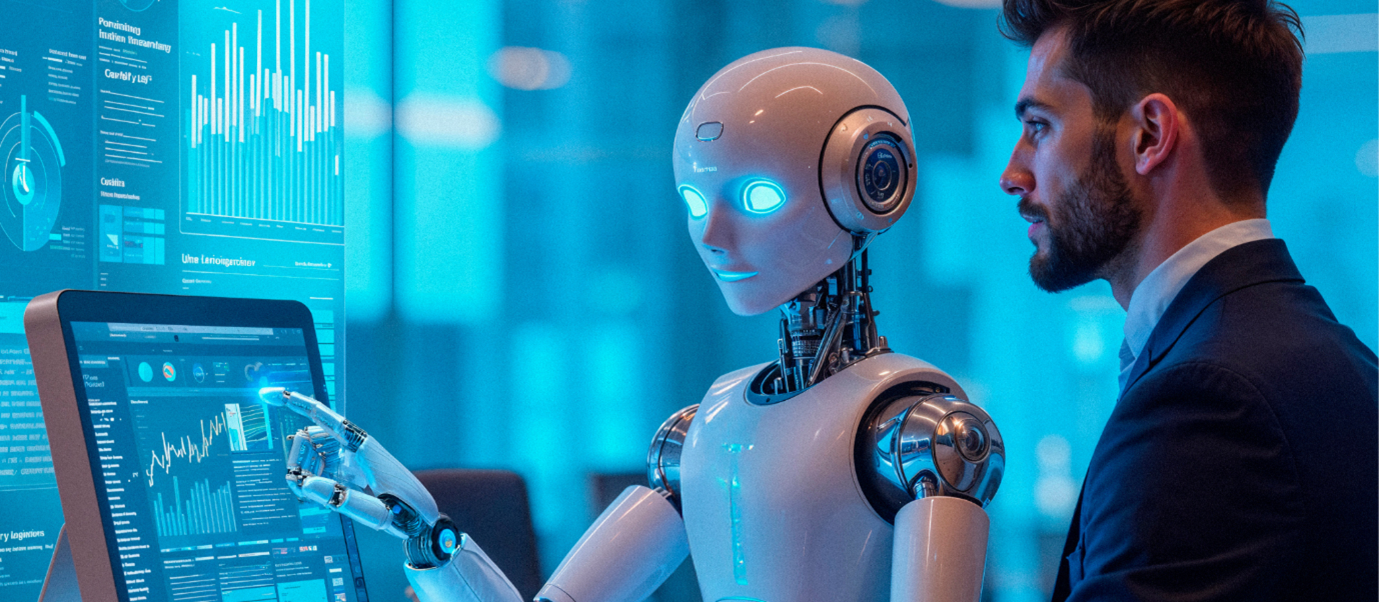
Empowering employees through connected digital environments
3. Employee Experience as a Growth Driver:
Companies compete today as much on employee experience as on customer experience. A well-designed digital workplace empowers employees through intuitive tools, self-service capabilities, and AI-driven insights that will improve both satisfaction and productivity.
4. The AI and Automation Imperative:
Artificial Intelligence, Generative AI, and automation are redefining the ways of digital workflows. From automated helpdesks to intelligent document processing, AI amplifies productivity while reducing operational friction.
5. Cybersecurity in the Age of Anywhere Work:
With the dissolving boundaries of corporate networks, cybersecurity is one of the top concerns. The CIO needs to ensure endpoint protection, Zero-Trust access, and continuous monitoring on all devices and platforms in order to maintain the integrity of data and compliance.
1. Redefining IT Leadership: CIOs are no longer back-office tech managers; they are strategic enablers of growth. Today, their focus goes beyond uptime and infrastructure to driving business innovation, user experience, and digital culture.
2. Driving Digital Employee Experience (DEX): Employee experience has now become a measurable KPI for CIOs. Implementing platforms that enhance collaboration, reduce digital friction, and support work-life balance has become central to IT strategy.
3. Balancing Flexibility with Security: Today's CIO must provide open and flexible work environments without compromising security. This requires achieving that balance with the adoption of Zero-Trust frameworks, endpoint management, and identity governance tools.
4. Integrating Collaboration and Productivity Platforms: From Microsoft 365 and Google Workspace to Slack, Zoom, and Asana, CIOs have to bring it all together into a seamless information flow. Integration reduces tool fatigue and ensures maximum ROI on digital investments.
5. Managing Change and Culture in Transformation:People aren't ready when technology adoption fails. The CIO must be a champion of change, preparing the workforce to understand and trust new tools. Digital transformation is about a change in mindsets, not just systems.

The right IT mix helps businesses respond confidently to uncertainty
1. Cloud Collaboration and Unified Communications:
Unified communications platforms, like Teams, Zoom, and Webex, are the backbone of hybrid collaboration. Seamless connectivity and high availability are enabled through cloud integration.
2. AI-Powered Productivity Tools:
From smart scheduling assistants to AI-driven writing tools, artificial intelligence boosts efficiency and creativity, freeing employees' time to concentrate on higher-value work.
3. Automation and Workflow Orchestration:
Robotic Process Automation and low-code platforms empower non-technical people to automate routine tasks, thus democratizing innovation across all departments.
4. Endpoint and Identity Management:
With employees connecting from multiple devices, it is crucial that centralized EDR and IAM systems secure the data and maintain compliance.
5. Data Analytics and Business Intelligence:
Digital workplaces thrive on insights. Embedded analytics software provides real-time exposure to productivity, engagement, and system performance to drive data-informed decision-making at all levels.

Enabling flexibility, productivity, and seamless operations
1. Define a Clear Vision: The strategy of the digital workplace should be aligned to wider business objectives of productivity, experience, and sustainability.
2. People-First Approach: Prioritize the needs of employees over choosing tools. Technology should enable and not overwhelm.
3. Align IT and HR Strategies: Collaboration between IT, HR, and business leaders assures a cohesive digital culture.
4. Prioritize Security and Compliance: Build trust through the implementation of Zero-Trust policies, encryption, and compliance automation. Measure and optimize digital employee experience with the help of analytics on adoption, engagement, and satisfaction levels.
5. Champion Continuous Learning: Developing and promoting digital literacy through training and workshops.
6. Leverage Managed Services Wisely: Transfer operational support to trusted partners and let in-house teams focus on innovation.
1. Tool Overload:
Organizations mostly deploy too many overlapping tools. The solution lies in consolidation and integration, focusing resources on platforms that can serve multiple functions effectively.
2. Security vs. Convenience:
The balance of security with usability is complicated. Adaptive authentication and AI-driven threat detection are strategies that CIOs should consider to ensure seamless user experiences.
3. Cultural Resistance:
Digital transformation can be resisted by employees. Change management programs, transparency, and executive sponsorship will help overcome this resistance.
4. Measuring ROI:
Success should be quantified. CIOs need to set clearly defined KPIs: reduced downtime, enhanced engagement, and faster decision-making, among other metrics, that validate digital workplace investments.
From a system of remote collaboration to an intelligent ecosystem, it can predict users' needs and offer them what they want.
1. . Intelligent Workflows: AI will personalize digital experiences through recommending relevant information, automation of repetitive tasks, and learning from user behavior.
2. Inclusive by Design: Accessibility tools, multilingual interfaces, and adaptive technologies will make sure that every employee can contribute fully, regardless of location or ability.
3. Immersive Environments: AR/VR with spatial computing has the potential to redefine meetings, training, and customer engagement. "Virtual offices" will become mainstream in global enterprises.
Consequently, for CIOs, the digital workplace will no longer be a project but a perpetual evolution that requires ongoing optimization, foresight, and human-centered leadership.

Digital workplaces driving smarter, more agile organizations
2025 marks the tipping point when digital workplaces start to dominate enterprise strategy. It's not just about remote work enablement; rather, it's about building connected, intelligent, and secure ecosystems that let people perform optimally from anywhere. For chief information officers, this means transformation is at once a challenge and a mandate: to orchestrate technology, culture, and vision in service of creating the future of work, one digital experience at a time. The successful ones won't just adopt digital workplaces; they will live them.

A digital workplace is a virtual environment that integrates people, processes, and technology, enabling employees to work efficiently from any location through cloud-based tools and collaboration platforms.
CIOs play a crucial role in leading digital workplace transformation, ensuring secure, scalable, and seamless integration of technologies like AI, cloud computing, and collaboration tools to drive productivity.
It empowers employees with flexibility, real-time collaboration, and access to the tools they need, enhancing engagement, innovation, and work-life balance.
Core technologies include cloud platforms, AI-driven analytics, collaboration tools (like Microsoft Teams and Slack), cybersecurity systems, and digital employee experience (DEX) software.
Key challenges include cybersecurity risks, data integration, change management, and ensuring equal access to digital tools for hybrid and remote employees.


